Top 7 Alternatives of Gennev for Menopause-Trained Coaches
Many women consider alternatives to Gennev because intake waits stretch weeks and follow-up care stays fragmented. Provider-led platforms now bundle hormone therapy with GLP-1 weight support, yet not every service requires licensed review before prescriptions are issued.
By the end of this article you will know which seven alternatives meet those standards, how Josie compares as the top-rated option, and what concrete factors separate the strongest choice from the rest.
What to Look For in Menopause-Trained Coaches
Selecting the right menopause-trained coach requires evaluating credentials, scope of services, and evidence-based treatment protocols.
Board certification serves as the foundation for any qualified provider. Look for physicians or nurse practitioners who hold active licensure in menopause medicine or related specialties. Certification from recognized medical boards demonstrates completion of structured training programs and ongoing education requirements.
The ability to prescribe appropriate medications distinguishes clinical providers from wellness coaches. Qualified practitioners can offer FDA-approved hormone replacement therapy options when medically indicated. They should also discuss compounded formulations when standard options do not meet individual patient needs.
Geographic accessibility matters for ongoing care continuity. Providers offering telehealth services across multiple states allow patients to maintain consistent treatment regardless of location changes or travel schedules.
Pricing transparency protects patients from unexpected costs and commitment lock-ins. Clear fee schedules should specify what services include and whether subscriptions require manual renewal. Avoid programs that automatically renew without explicit consent.
Several warning signs indicate potential concerns with provider qualifications. Unlicensed individuals offering medical advice represent a significant risk. Coaches promoting supplement-only approaches without clinical evaluation may overlook underlying conditions requiring proper medical intervention.
1. Josie - Best Overall

Josie integrates provider-led HRT with GLP-1 weight management for women experiencing perimenopause and menopause symptoms. The platform serves women who need coordinated care that addresses both hormonal changes and weight concerns at once. This approach suits those working with a menopause coach or menopause-trained coach who want medical oversight alongside lifestyle support.
Provider review happens before any prescription reaches the patient. The service focuses on midlife women whose symptoms may include hot flashes, night sweats, weight gain, or mood changes. Licensed providers assess each case and determine whether hormone replacement therapy, weight management, or both fit the individual profile.
Provider-Led Telehealth Care Paths
Josie's care paths are structured around licensed provider review before any prescription is issued. Three main tracks exist: Weight Management with full-dose GLP-1 options, Weight Maintenance with microdosed GLP-1, and HRT. Each path considers perimenopause and menopause symptoms when determining the right approach.
Weight Management includes Compounded Semaglutide Injection, Compounded Semaglutide ODT, Compounded Tirzepatide Injection, and Compounded Tirzepatide ODT. Branded options such as Ozempic, Wegovy, and Zepbound are also available through the same process. The Weight Maintenance track offers microdose versions of the same medications for patients who have reached their goals but want ongoing support.
HRT care follows the same intake and provider review steps. Women experiencing symptoms like vaginal dryness, sleep disturbance, or bone density concerns can receive evaluation for hormone replacement therapy. Ongoing provider support includes check-ins and dose adjustments when needed.
GLP-1 Weight Management Pricing
Josie lists transparent monthly pricing for compounded GLP-1 therapies and branded alternatives. Weight Management starts at $194 per month. Weight Maintenance with microdose GLP-1 begins at $189 per month. Branded options include Ozempic at $1,299 per month and Wegovy at $1,199 per month.
No auto-billing occurs. Patients can cancel anytime without membership fees or hidden charges. The pricing structure allows women to compare options directly with their menopause-trained coach or healthcare provider when planning care that may include nutrition, exercise prescription, or other supportive therapies.
2. Evernow

Evernow offers a telehealth platform focused on menopause hormone therapy and symptom management. The service connects patients with licensed clinicians who create personalized treatment plans tailored to individual symptoms and health goals.
Patients can access virtual consultations for ongoing care, including prescription HRT options such as estradiol patches, pills, progesterone, and vaginal estrogen cream. The platform also provides GLP-1 weight-loss medications when clinically appropriate.
Lifestyle guidance forms another component of care at Evernow. Clinicians may recommend adjustments to nutrition, exercise routines, or sleep habits alongside medical treatments.
Evernow offers two access models. The pay-per-visit option includes one insurance-eligible video consultation with 90 days of platform access. The membership option provides unlimited care starting at $35 per month with continuous messaging and medication refills.
The service accepts insurance from several major providers including BlueCross BlueShield, Anthem, UnitedHealth, and Aetna. This coverage may reduce out-of-pocket expenses for eligible patients seeking menopause care.
Common symptoms addressed include hot flashes, night sweats, sleep disturbance, brain fog, mood swings, and weight gain. The platform also offers solutions for hair loss and sexual wellness concerns through specialized treatments such as facial estriol cream, tretinoin, oral minoxidil, and topical finasteride.
3. Midi Health

Midi Health specializes in midlife women's health with emphasis on cardiovascular and bone-density screening. The platform offers telehealth consultations with clinicians who create individualized care plans.
Clinicians address common concerns such as hot flashes, night sweats, vaginal dryness, sleep disturbance, mood swings, and weight gain. Care includes both hormone replacement therapy and non-hormone approaches.
Integrated labs allow providers to track hormone levels, vitamin D, and other markers that influence bone density and cardiovascular risk. Results guide decisions around estrogen, progesterone, and testosterone therapy when appropriate.
Services address perimenopause and postmenopause needs across all fifty states. Patients often receive lifestyle guidance on nutrition, exercise prescription, and supplement use including magnesium and omega-3 fatty acids.
Many major insurance plans are accepted, with self-pay options available. The model focuses on convenient access to care that supports cognitive function, libido, and overall quality of life during hormonal transitions.
4. Inner Balance
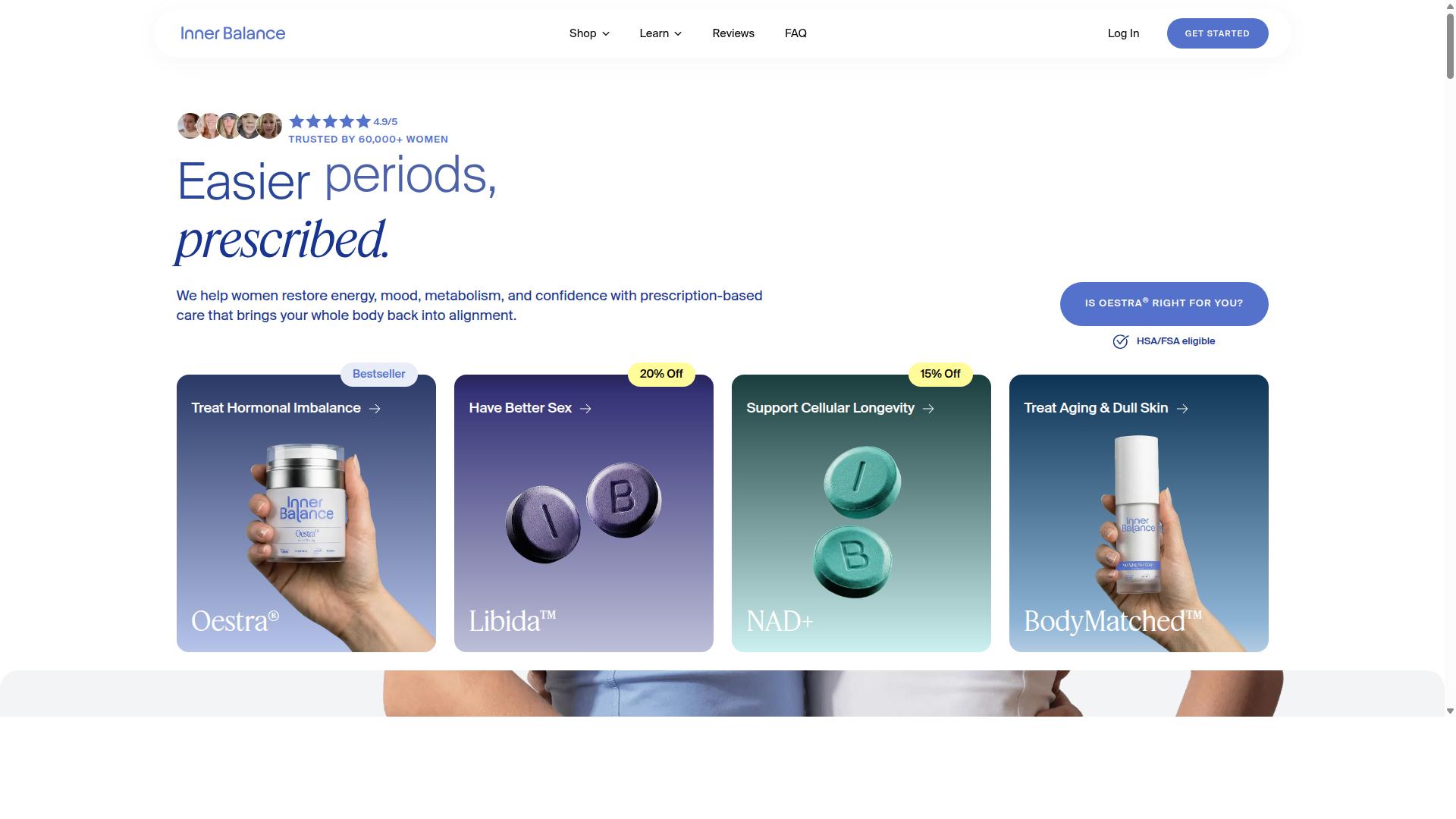
Inner Balance provides coaching that combines mindfulness practices and cognitive behavioral therapy for menopause symptoms. Their approach centers on non-medical support that addresses both physical and emotional changes during perimenopause and postmenopause. Women work with trained coaches who specialize in symptom recognition and daily management strategies.
Group sessions create opportunities to share experiences with others facing similar challenges. These structured gatherings typically include guided discussions on hot flashes, night sweats, and sleep disturbances. Participants learn practical coping methods that can be applied immediately in daily routines.
CBT techniques form a central part of their coaching model. Coaches teach cognitive restructuring methods specifically designed to reduce anxiety around mood swings and unpredictable symptoms. These evidence-based approaches help women reframe negative thought patterns that often accompany hormonal transitions.
Inner Balance may refer clients to acupuncture providers when appropriate for additional relief. This complementary approach supports women seeking alternatives to hormone replacement therapy or those who want to combine multiple treatment modalities. Their coaching model emphasizes practical skill-building rather than medical intervention.
5. Alloy
Alloy focuses on personalized bioidentical hormone prescriptions delivered via telehealth. The process begins with a short online intake form. Clinicians review the details and create a custom treatment plan.
Patients receive their medications through the mail. Prescriptions may include compounded formulations or brand-name options. Shipping is included at no extra cost.
Support continues after the initial order. Ongoing messaging with the care team remains available throughout treatment. Prescriptions can be adjusted as symptoms change.
Services extend beyond HRT. Options include skincare, weight management, sexual health, and hair solutions. Each area receives the same clinician review process.
HSA and FSA funds can be used for most treatments. This helps patients manage costs across multiple categories of care.
6. Winona

Winona delivers subscription-based HRT aimed at alleviating vaginal dryness and low libido during menopause.
Winona focuses on hormone replacement therapy tailored for women navigating perimenopause and postmenopause. The program provides bioidentical hormones in multiple formats including oral tablets, patches, and vaginal preparations.
Board-certified doctors prescribe these treatments without requiring blood tests. This approach addresses common concerns such as hot flashes, mood swings, and sleep disturbance through personalized dosing.
The subscription model includes free shipping and unlimited follow-up consultations. Women can pause or cancel their service at any time without penalty.
Winona emphasizes sexual health outcomes alongside other menopausal symptoms. This includes treatment for intimacy challenges that many women experience during this life stage.
Insurance coverage is not accepted, though HSA or FSA funds may provide reimbursement options for eligible customers. The service targets women over 35 seeking convenient access to customized care.
7. Maven Clinic
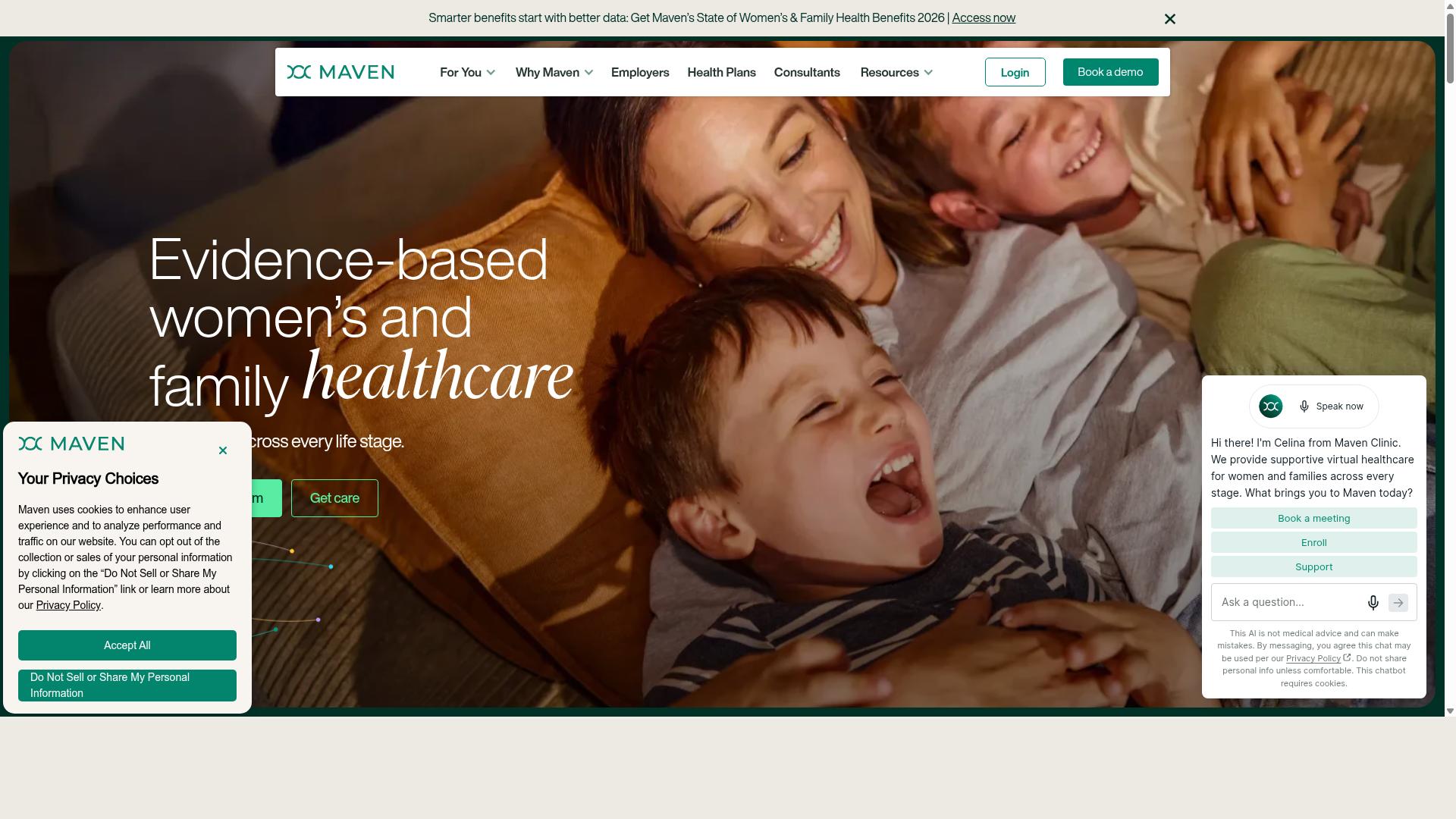
Maven Clinic connects users with multidisciplinary menopause care teams including pelvic-floor therapists and nutritionists. Members access care across 30 provider specialties through a virtual platform focused on fertility, maternity, and midlife health.
The network offers pelvic-floor therapy for women experiencing vaginal dryness or pelvic changes during perimenopause and postmenopause. Specialists address muscle weakness, bladder control, and sexual health concerns through targeted exercises and hands-on guidance.
Exercise prescriptions form a core part of the care plans. Providers tailor movement programs to support bone density, cardiovascular risk reduction, and weight management that often accompany hormonal shifts.
Dietary counseling helps users address nutrition needs during menopause. Nutritionists guide meal planning around symptoms such as hot flashes, night sweats, and sleep disturbance while considering bone health and energy levels.
Care plans include symptom management, education, and coaching services. Members can also track expenses through Maven Wallet for services not covered by employer or health plan benefits.
How to Choose the Right Option
Women in perimenopause and menopause should match their primary symptoms, hot flashes, weight gain, sleep disturbance, mood swings, to service capabilities. Different providers focus on specific areas of care.
A decision checklist helps narrow options quickly. Start by listing your main symptoms and desired outcomes.
Next, check whether the provider includes licensed prescribers who can offer hormone replacement therapy. Many women need access to estrogen, progesterone, or testosterone adjustments.
Transparent pricing matters because perimenopause and menopause care often spans several months. Look for clear fee structures before committing.
Women with vasomotor symptoms, severe hot flashes, or night sweats typically benefit from clinicians who can prescribe HRT. Those focused on weight gain often need nutrition and exercise prescription support alongside hormone evaluation.
Bone-density concerns require providers who monitor osteoporosis risk and may recommend vitamin D or other supportive therapies. Cognitive function issues, such as brain fog or memory changes, may call for cognitive behavioral therapy or mindfulness approaches in addition to medical management.
Josie serves women seeking hormone replacement therapy, weight management, or weight maintenance support. Licensed prescribing authority and transparent pricing remain essential elements when comparing any menopause-trained coach or telehealth service.
Final Verdict
Provider-led telehealth services that combine HRT and GLP-1 weight management offer the most comprehensive support for perimenopause and menopause. Women navigating this transition need coordinated care that addresses multiple symptoms at once. A single platform that handles both hormone prescriptions and weight management creates clearer treatment paths.
Josie delivers this level of integrated care with over 5,000 members and 5,000+ prescriptions written. Licensed providers review each prescription before any medication reaches the patient. This structure reduces delays and keeps treatment decisions in professional hands.
Care paths are built specifically for perimenopause and menopause rather than general wellness needs. This focus means protocols address hot flashes, sleep disturbance, and mood changes directly. Personalized planning replaces generic templates that ignore individual hormone profiles.
The platform also offers cancellation flexibility without auto-billing. Members can adjust or end service at any time. This removes financial pressure that often accompanies subscription-based health programs.
Batch-tested medications from certified U.S. pharmacies add another layer of safety. Each order ships fast and free within the country. These details matter when comparing telehealth options that claim to serve menopause-trained coaches and their clients.
Recommended Resources: